I have always loved water parks and roller coasters. When we moved to the Hill Country, I was giddy to learn both were minutes from our house. We quickly became frequent riders, and while I never expected to bring a theology home from these adventures, the bigger surprise was that the kids working the rides handed me most of it.
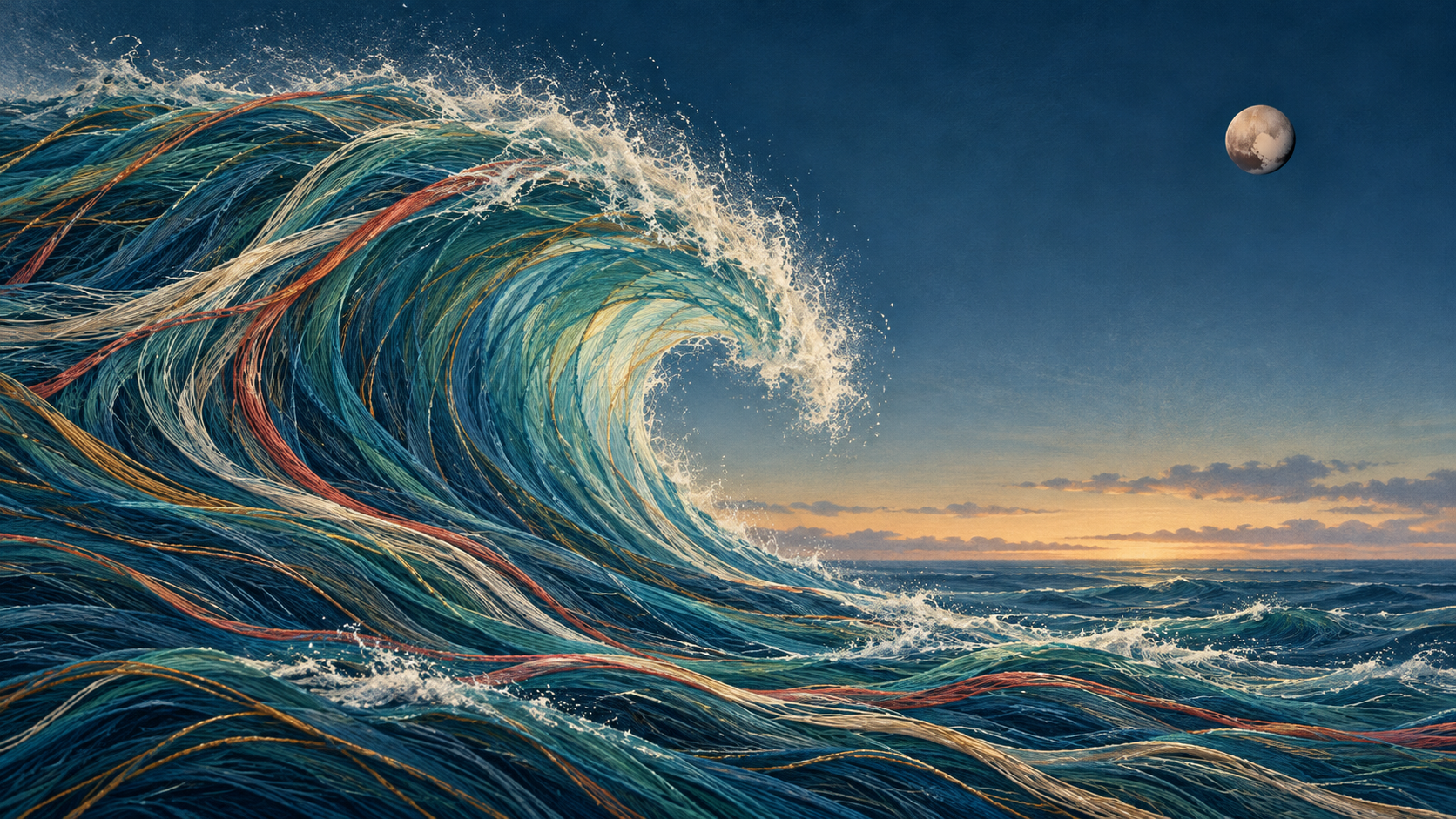
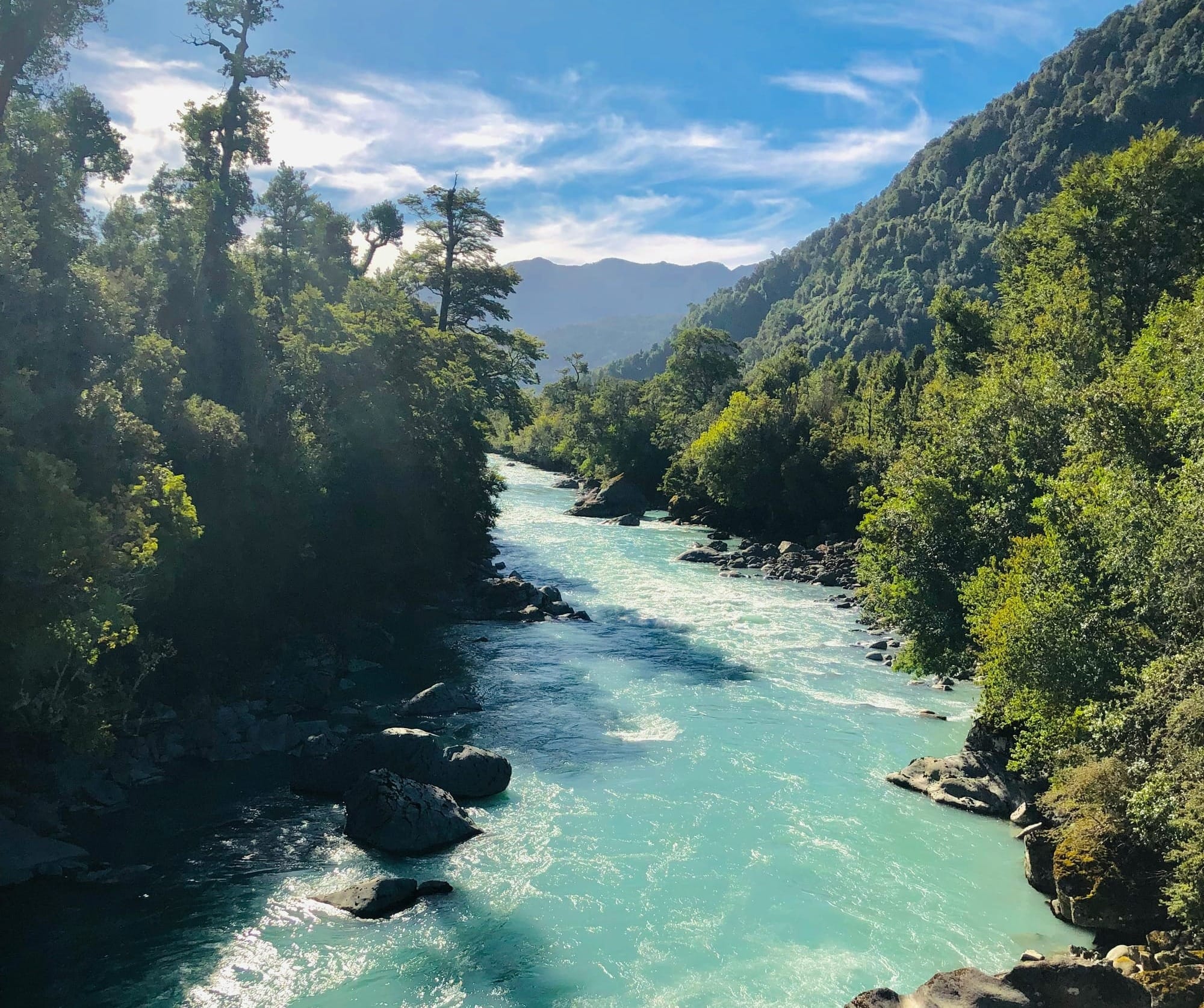
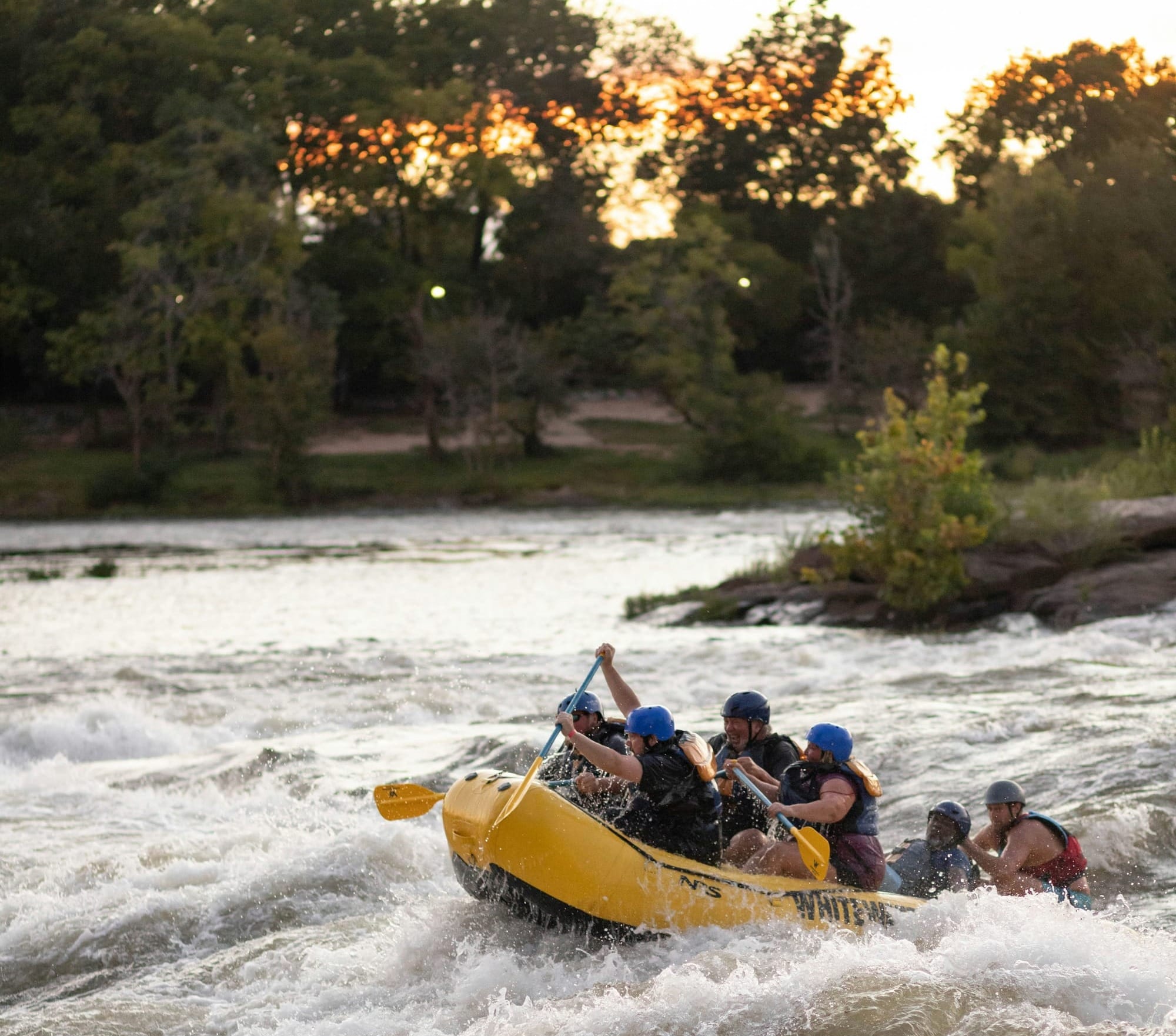
July’s Texas heat sent us to the water park first. Schlitterbahn routes the Guadalupe River right through — you ride the water in an inner tube, floating a web of the river’s channels. Sometimes the water goes lazy and you drift. Sometimes it gathers and shoves you through a chute, fast and rough, spitting you out the other side. Either way, you’re not steering. Nobody’s steering. That’s the appeal.
Stationed along the river, lifeguards stand ready to rescue. Watch them long enough and you’ll see the truer job: they turn you when you’re pointed backwards. They collect you when the current shrugs your tube out of the channel. They nudge you along when you stall, pull you back when you drift. Small corrections, keeping thousands of strangers moving down a river no one controls.
I started calling them river guides. And floating there on my back, it landed on me all at once: I was looking at angels.
Angels. I spent most of my life rolling my eyes at that word. So listen to what I’m not saying: not wings, not harps. Not somebody’s guardian hovering in soft focus. The angels I’ve come to believe in don’t descend. They’re stationed. They reach over at exactly the right moment and redirect you, then let the current take you again.
These are regular people. The stranger whose one sentence rechartered your course. The friend who grabbed your tube just before the rocks. We almost never see each other for what we are. We are each other’s river guides — an entire staff of angels, mostly unaware, keeping the stream going.
A river with guides stationed along it is not a wild river. It’s a built one. Somebody laid the channels. Somebody decided where the water rushes and where it rests. And a bigger question floats up under your tube: if nobody in the water is steering — who is?
The vehicle you travel in
I should tell you what kind of rider chases questions like this; I’m a Sagittarius rising. If astrology is new country for you, your rising sign is simply the one climbing over the eastern horizon at the minute you were born. Astrologers read it as the vehicle you travel this life in. Not who you are — how you ride. Mine is Sagittarius, the adventurer: the archer aimed at the horizon, the sign that experiences life as a ride, a game, a quest — glass half full, allergic to standing still, and steered hard toward one thing above all. Truth. People who know me best have heard me say that my life’s purpose is an adventure to find out what we’re all doing here.
So of course, that theology found me at amusement parks — my life was always going to explain itself in rides.
And the sky, it turns out, asks the same questions the river does. Humans have been reading the heavens since before we could write — it was our first teacher. Tracking its cycles taught us to count, to measure, to keep time; stare at it long enough and it starts posing the bigger curriculum: What’s scripted? What’s mine to decide? Who’s steering? The oldest implication up there is also the hardest to digest: you chose this life. I choked on that one for years. Because who would choose some of what we live — war, disease, famine?
Every ride worth the line has a dark stretch
Every ride worth the line has a dark stretch — the tunnel that strips your bearings and makes you wonder, will I be okay? And let’s be honest: that’s what you came for — the unknown, the speed, and certainly a drop or two ahead. The ride doesn’t slow down in the dark. Mine didn’t either: a gay kid from the '80s, learning to hide. A family that lost everything, then lost each other — at eight, my parents divorced, my father moved cities, and I picked up man-of-the-house weight before I was done being a child. Then the long climb: decades chasing financial abundance to outrun a money fear, an anchor I mistook for an engine.
The longer I live and the more I see what others carry, the more grateful I am for my seat. That heavy, lonely childhood trained me for the unknown climbs ahead. I wouldn’t trade it — and I couldn’t always say that. In every season before this one, I’d have told you I would never have chosen this life.
With more track behind me, and more lessons locked, I know I chose it all. Now I’m beginning to see why.
From inside a tunnel, you can’t know how long the dark holds, or if it’s the only blind stretch ahead. Gripping the sides, you hope this’ll be the fun kind of scary. You want a thrill — but will it be too much? That’s the unknowable part. You got on willingly, knowing tunnels only run one direction. But it’s over before you run out of breath — the tunnel opens, and the light pours back in. Only then do you realize that this ride delivered exactly what you paid for.
Waiting on the platform
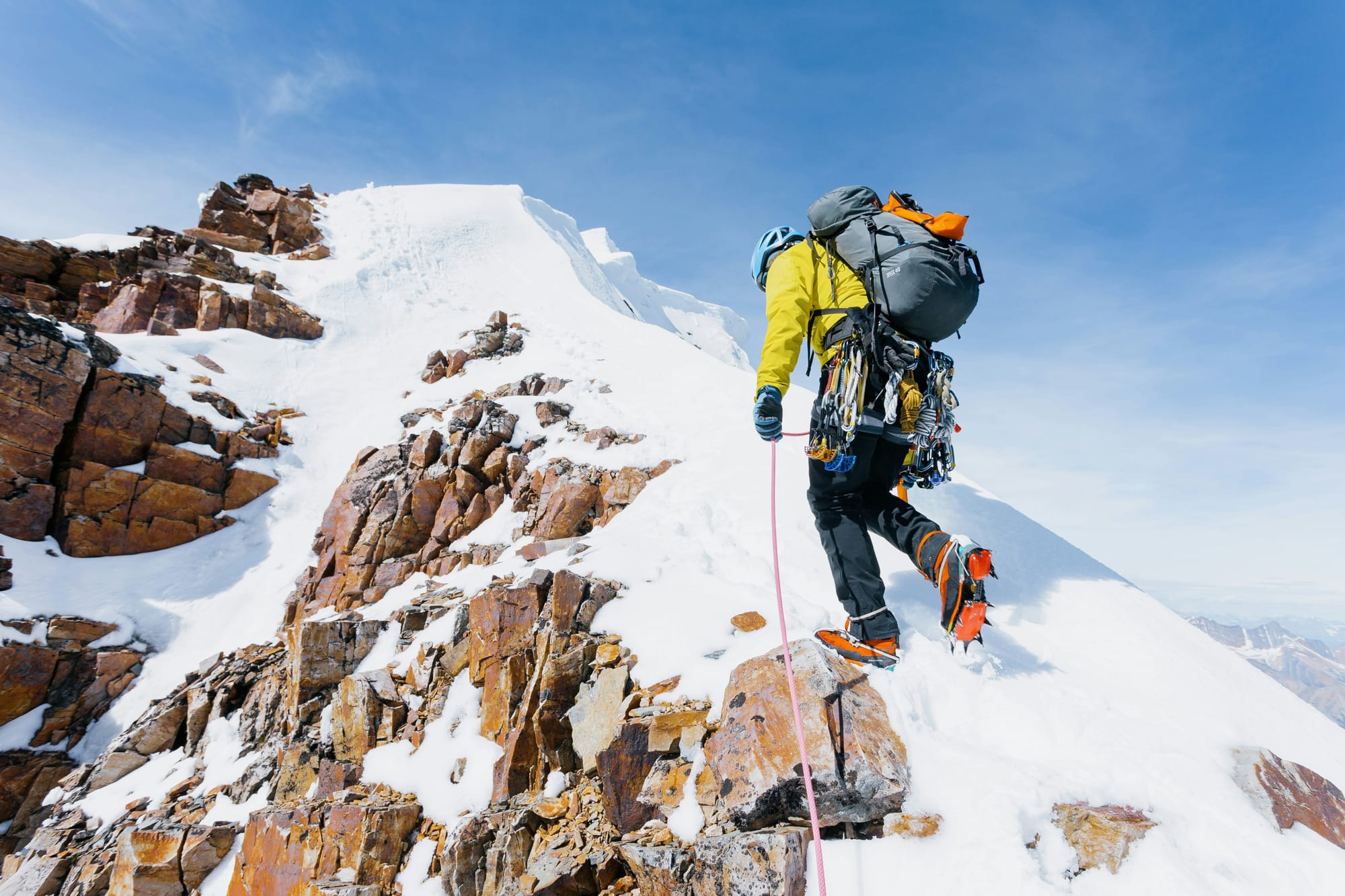
This summer, we spent the day at the alpine coaster in Canyon Lake. If you haven’t seen one, picture individual cars on a winding track down the hillside. You wait in line, they buckle you in one at a time, and gravity mostly does the rest. Each car’s equipped with a pair of levers — push them forward to speed up, pull them back to brake. You control the speed, somewhat. The guy who checked my straps offered a tip: it’s more fun if you push forward in the turns.
Waiting my turn on the platform, watching empty cars pull up and riders go, I finally saw where the current had been carrying me.
Here’s what I believe. Before a life, you stood in a line just like that one. Not a body yet — the you underneath the body — waiting at the platform while the rides rolled in. Each car a vessel. Each ride a life: this family, this gender, this face, this set of appetites and wounds and gifts. From the platform you could see the first drop, but not the whole track. When this ride pulled up — the one you’re on — you looked at the shape, the themes, the mountains it would ask you to climb. You said yes, and buckled in.
You don’t pick the particulars. You pick the shape.
That’s all a birth chart is: a snapshot of the sky at your birth — a spec sheet for the life you agreed to. And it helps to remember the scale of the decision. Against eternity, eighty-ish years is a grain of sand in the ocean of time. A soul can afford a hard ride — even the hardest ones — the way you can afford three minutes of track that scares you: because you know you’re getting back in line.
How much of the steering is mine?
This is why astrology scares people — I know because it scared me. The deeper you go, the more truth you recognize in it, and the question from the river comes back around, pressing harder now: if the sky can describe my ride, how much of the steering is mine? More plainly: do we have free will?
I’m 59% sure we do. That’s a real number, by the way — I’ve done the math on my own life.
Here’s the shape freedom takes on a designed ride. Today I’m in New Braunfels, and I am genuinely free to do anything there is to do within driving distance of my home. Any experience I want, any use of this day, mine to choose. But I cannot tour the great pyramids of Giza today — because I’m here, in Texas. Egypt is a plane ticket and a different day. Maybe a different life. Freedom is real, but it operates inside the boundaries of the ride you’re on. The track turns where it turns — that much is written in the sky. What you do in your seat — hands up or white knuckles, eyes open or squeezed shut, the riders you came with — that’s yours. The levers too: you can brake the whole way down. Pushing forward into the turns is far better. If you miss the exhilaration, why bother riding at all?
On the river, the current decides which direction you face. I spent most of a day floating backwards, forced to listen when I couldn’t see ahead — the bigger the chute, the louder the water that announces it. Steep drops are scarier when you’re facing forward — better not to see exactly what you’re in for. When you drift, watch how fast a hand finds your tube. The guides work the whole park — even the stretches where you swear you’re steering.
The exit is built out of view
Both rides hide what’s coming. On the coaster, the exit is downhill and out of sight — nobody waiting to board sees riders come back. No faces to read, no stories drifting up the line. That’s death, from where the living stand — the exit is certain, but everything afterward is built out of view. Personally, I believe we ride again — but I can’t prove it. Yet.
We float through life — a river — knowing the end approaches, holding nothing but myths about what waits beyond. It’s more a delicious mystery than a cruel joke. If you could see the whole track, you’d spend every calm stretch flinching at turns ahead. Limited knowledge is the craft.
But the current is real. The guides are stationed. The track was laid before you buckled in, and it will do what it was built to do — rush you, rest you, scare you, and end sooner than it feels like it should.
That’s the whole theology these parks sent home with me. None of it came down a mountain or spoke from a burning bush. It found me holding an inner tube and waiting my turn for a coaster. Then again — that coaster does come down a mountain. That’s how truth travels — not by fire, by hand. And somewhere on the river today, the stranger is you.
Want to go for a ride?
You already said yes.